The Ten O'Clock Hush: Listening to a Boutique Hotel After the Bar Goes Quiet
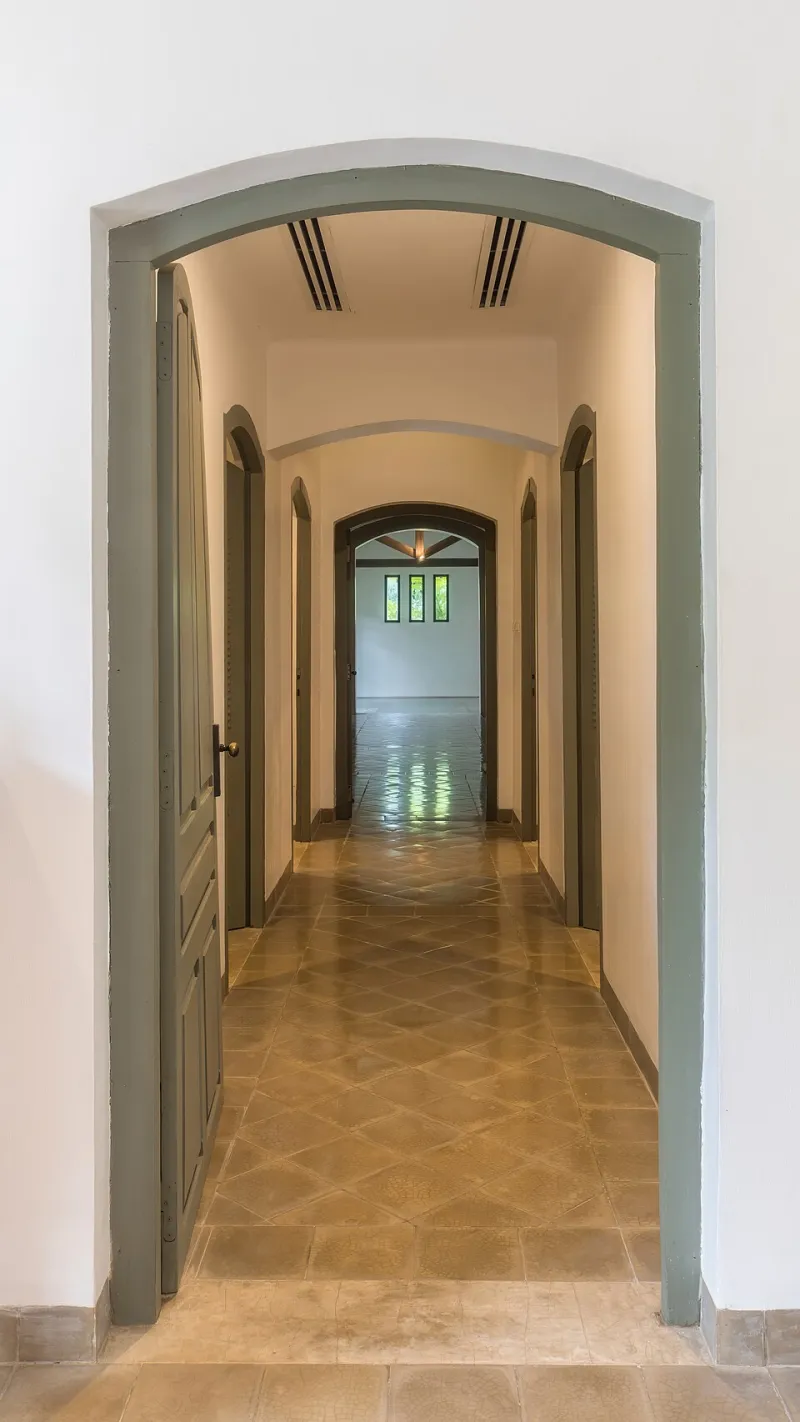
Photo: Basile Morin, CC BY-SA 4.0, via Wikimedia Commons
There is a moment, somewhere around ten past ten, when a hotel changes its voice. The bar door swings shut for the last time. A tray of glasses is carried away. Someone in reception says goodnight in the low, practised tone of a person who means it. And then the building takes over.
I have come to think of that post-ten corridor as the most honest room review a hotel never writes. The lobby can be styled. The bedroom can be staged. But the sound of a house settling after the last guest has gone upstairs tells you what kind of place you are actually in — and whether anyone has been listening to it.
The first five minutes: doors, keys and last goodnights
Stand at the top of the stairs at ten o'clock and you will hear the small rituals of a hotel closing down. A key card beeps. A fire door sighs shut on its closer. Two people laugh at something in the corridor, then hush themselves. A bedroom door clicks, and a television comes on low.
These sounds are not intrusions. They are the sound of a hotel working. What matters is the quality of them. A door closer that has been adjusted properly lets a door close rather than slam. A carpeted corridor absorbs the last footsteps without swallowing them entirely. And a member of staff saying goodnight from the bottom of the stairs is worth more than a dozen framed notices about quiet hours.
The corridor after ten should feel inhabited, not abandoned. There is a difference between hush and silence, and most of us know it when we hear it.
Radiators, pipes and the building's digestion
Old British hotels have digestive systems. Radiators tick as they cool. Pipes gurgle behind plasterboard. A hot water cylinder somewhere in the roof makes a noise like a distant train. None of this is a fault. It is the sound of a building with a past.
The question is whether the noises sound cared for. A radiator that ticks once and settles is character. A pipe that clanks every time someone runs a tap is a note for the maintenance book — and, if you hear it at ten, you will hear it at seven. A hotel that has listened to its own plumbing tends to have quieter nights.
At Lemon Tree, we have learned to treat these sounds as part of the house rather than a problem to be silenced. But there is a line between charming and neglected, and the corridor after ten is where you hear which side of it a hotel sits on.
Floorboards and the truth about walls
Floorboards are the most honest acoustic feature in any hotel. A few creaks underfoot are the price of an old building and, frankly, part of the pleasure. But listen carefully at half past ten. If you can hear the television in room six word for word, you will hear it at seven in the morning. If every footstep in the corridor lands like a drum, the partition walls are doing less work than the styling.
This is not about demanding total silence. It is about the difference between a building that has been adapted for guests and one that has simply been filled with them. Good hotels know where the noisy rooms are. The best ones put the light sleepers elsewhere, or tell you honestly when they cannot.
Distant laughter and the sound of staff still there
The loveliest sound in a hotel after ten is not silence. It is two members of staff talking quietly downstairs — a clink of glasses into a tray, a low laugh, the scrape of a chair. It means someone is still there. It means the night porter has not gone home, the front door is not propped open, and the place has not been left to run itself.
A hotel that goes entirely silent at ten is not necessarily peaceful. It may simply be empty of care. Listen for the small signs of life: a radio turned down low in the kitchen, a door being locked, a torch clicked on for the final walk-round. These are the sounds of a house being looked after.
What the outside brings in
A boutique hotel corridor is never entirely sealed from the town. Sash windows rattle in a way that modern double glazing never will. A late bus sighs past. A church clock marks the half hour. In a seaside town you may hear gulls, and in the countryside an owl or a gate. Rain on a roof is its own kind of lullaby.
None of this is a problem unless the hotel has ignored it. A pair of earplugs in the bedside drawer is an honest admission that the building is old and the town is alive. A white noise machine is a clever workaround. But double glazing that lets you open a window and still sleep is the quiet luxury most of us actually want.
The two o'clock test
If you are awake at two, listen again. The corridor will tell you whether the hotel has a night porter or a night problem. A toilet flushing somewhere is normal. An extractor fan running for twenty minutes is not. A door slamming at two is a design flaw; a door closing softly is a small kindness.
And then comes the morning echo. The same corridor that was hushed at midnight will be full of breakfast chatter by eight. The contrast is the point. A hotel that sounds calm at night and cheerful in the morning has got the rhythm right.
Why this matters when you book
You cannot photograph a corridor after ten. You cannot put it in a brochure. But you can ask about it. Is there a night porter? Are any rooms directly above the bar? Is the lift next to a bedroom wall? These are not fussy questions. They are the questions of someone who knows that a hotel is a house with strangers in it.
The best boutique stays do not promise silence. They promise a building that sounds looked after — pipes that tick, boards that creak, a door that clicks shut, and someone downstairs saying goodnight. That is the review no one writes, and the one worth listening for.