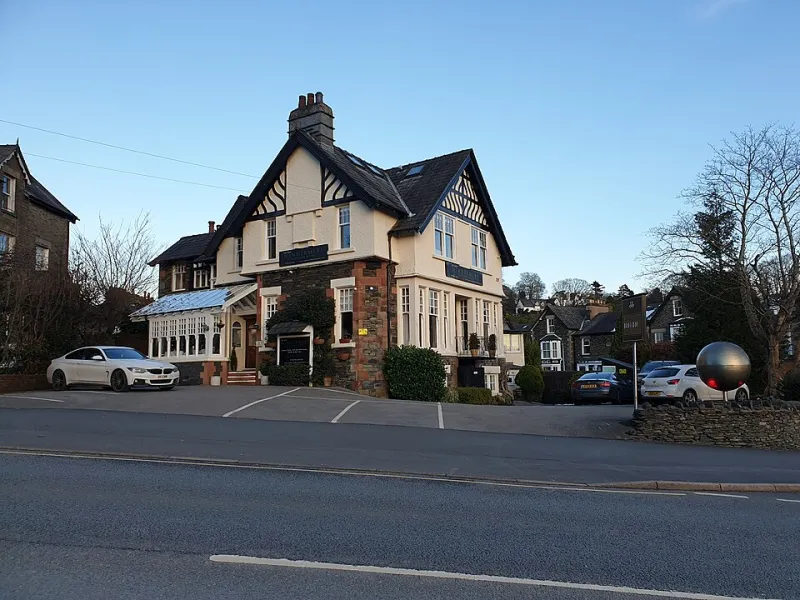
The Front-Door Welcome: Five Questions Worth Asking Before You Book a Boutique Hotel
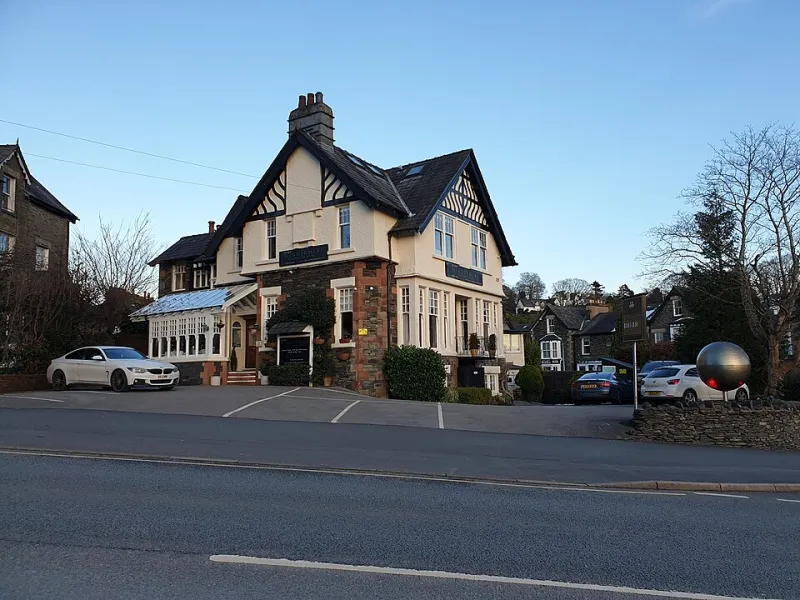
Photo: Oscar Taylor , CC BY-SA 2.0, via Wikimedia Commons
There is a certain kind of boutique hotel that is very hard to leave, not because it is so comfortable, but because it has quietly made the town outside feel like an optional extra. The room is lovely. The bar is lovely. The playlist is lovely. And yet, by Sunday morning, you realise you have not really been anywhere.
We think the best UK hotels are confident enough to do the opposite. They give you a beautiful base, then send you out. They put a marked-up map in your hand, name the nearest good walk without checking a screen, and recommend the bakery two streets away even though they do not own it. That is not a lack of hospitality. It is the whole point of it.
A room is not the whole welcome
A warm welcome is easy to fake in the bedroom. Good linen, a decent lamp, a note about the Wi-Fi: these things matter, but they are table stakes. The real test is what happens when you step back out of your room and ask a simple question. What should we do today? Where can we walk? Is there a good pub within twenty minutes?
A hotel that answers those questions well is telling you something important. It is saying that it sees itself as part of the place, not a bunker within it. It is also saying that it trusts you to come back. That confidence is attractive. It makes a weekend feel bigger than the sum of its meals.
At Lemon Tree Hotel, we have a bias here. We like hotels that act like front doors to a town rather than lids on top of one. So we have boiled the idea down to five questions you can ask before you book. We call it the front-door test. You can call it the Lemon Tree test if you like, though the name matters less than the answers.
The five questions
1. Does the website tell you what is within a fifteen-minute walk?
Not a list of attractions copied from a tourism board. Not a paragraph about the hotel restaurant. We mean the useful stuff: the nearest park, the good coffee, the bus stop, the swimming spot, the shop that sells proper bread. If a hotel cannot describe its own neighbourhood, it probably will not help you enjoy it.
2. Is there a real map at reception, with marks on it?
A paper map is still a wonderful thing. It does not run out of battery. It works in a valley. The mark of a generous hotel is a reception desk with a map that has been annotated by staff: a pencilled circle around a good walk, an arrow to the Sunday market, a cross where the best view is. That map is a small act of trust.
3. Can someone name a walk without opening a screen?
This is the question that separates a hotel with local knowledge from a hotel with a search engine. It does not need to be a dramatic hike. A loop around the edge of town, a path along the river, a twenty-minute amble to a viewpoint: all fine. What matters is that the answer comes easily and specifically.
4. Do they recommend places they do not own?
A hotel can be proud of its own restaurant and still tell you about the tapas place down the road. In fact, the best ones do. If every recommendation leads back to the same building, you are not being welcomed into a town. You are being kept in a room with a bigger price tag.
5. Does checkout feel like a send-off?
This one is harder to test before you arrive, but you can often sense it from reviews and from the tone of the hotel's own writing. The best departures include a genuine question: did you get out? Did you find the walk? Would you come back? A hotel that helps you leave well is usually one that welcomed you well in the first place.
Why this matters for a weekend break
A weekend is short. By the time you have unpacked, had a drink and slept, you have maybe one full day to be somewhere else. That day should not be spent working out where to go. The hotel should have done some of that thinking already.
This is especially true in the off-season, when the weather can change plans at short notice. A hotel that knows the town can redirect you from a washed-out walk to a decent gallery, a market hall or a long lunch without making you feel like you have failed at your own weekend. That is practical hospitality. It is also quite rare.
What it looks like when a hotel passes
It looks like a receptionist who says, without being asked, that the path behind the church is muddy but worth it. It looks like a hand-drawn route to the nearest good coffee. It looks like a bar that is happy to pour you a drink and then tell you to go and watch the sunset from the bridge instead.
It also looks like a hotel that is secure enough to let you out of its sight. The best boutique stays do not need to trap you. They know that if you have a good day in the town, you will remember the hotel as part of it. The room is where you slept. The welcome is what made the weekend possible.
So before you book your next UK break, ask the five questions. Look for the map, the walk, the honest recommendation and the send-off. A good hotel should make leaving feel like an invitation, not an escape.