Read the Room at Breakfast: What a UK Hotel Morning Says About the Town
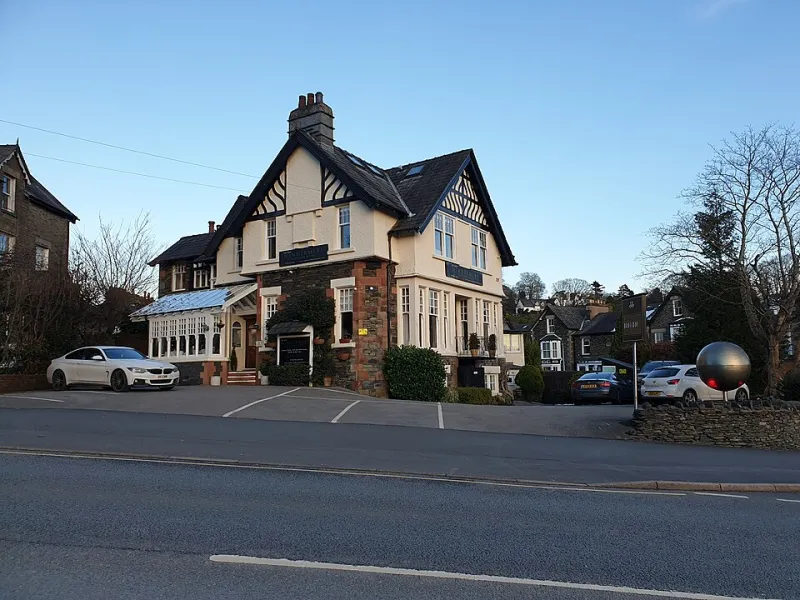
Photo: Oscar Taylor , CC BY-SA 2.0, via Wikimedia Commons
Breakfast is the part of a hotel stay that cannot be staged for long. By eight in the morning, the dining room has usually shown its hand. You can tell whether the kitchen is cooking for guests or performing for them, whether the staff are proud of where they live, and whether the town outside is a place people rush through or linger in. At Lemon Tree Hotel, we think of breakfast as a local guide with a kettle beside it.
That is not a romantic way of saying the sausages are good. It is a practical observation. If you want to understand a UK town on a weekend break, start with the first hour of the day.
The dining room is a local noticeboard
Look around before you look at your phone. A dining room that fills with a mix of guests and local faces tells you something. So does a room where everyone is quietly comparing notes on the weather, the car park or the best route to the market. In many boutique hotels, breakfast is the only time the whole building is in one place. It becomes a small theatre of local life: the early riser in walking boots, the couple reading the weekend listings, the event guest nursing a coffee before a long day of talks.
The details are the point. Is there a newspaper that actually covers the town, rather than a national paper left folded on a sideboard? Are the jams labelled with the name of a nearby farm? Does the person topping up your tea ask what you are doing today, and then give an answer that sounds like they have done it themselves? These are not small things. They are clues.
Ingredients that travel a short distance
A hotel breakfast can say a great deal about the landscape around it. In a coastal town, you might see smoked fish, laverbread or a sharp local cheese. In orchard country, there may be apple juice from a few miles away. In the north, porridge might come with honey from a nearby moor, and in the west, a breakfast table might lean on Welsh cakes or soda bread. None of this needs to be shouted about. The best local sourcing is often quiet, written on a little card or mentioned in passing.
For weekend-break travellers, this is useful intelligence. If the breakfast table is full of produce from within a short drive, the town probably has a good market, a proper deli or a farm shop worth a detour. If the bread is excellent, ask where it comes from. If the marmalade is homemade, ask who made it. You are not being nosy. You are building a small map of the place.
Rituals, not just buffets
There is a difference between a breakfast that feeds people and a breakfast that tells a story. A buffet can be generous and still say nothing. A cooked breakfast can be enormous and still feel anonymous. What matters is the ritual: the way the table is set, the pace of service, whether the coffee is brought in a pot or a paper cup, whether there is a proper chair by the window for someone who wants to read.
At Lemon Tree, we look for breakfast tables that feel like a room in someone's house, not a conference suite with a toaster. That means fewer stark lights, more room to linger, and food that tastes of somewhere. It also means staff who know when to chat and when to leave you alone. The best hotel mornings have a rhythm. You can feel it when you walk in.
The tips you only get over coffee
Some of the most useful local advice never makes it into the welcome folder. It arrives sideways, over a coffee refill or while you are paying for a newspaper. The best bakery is not the one on the high street but the one behind the church. The market is better on Saturday than Friday. The walk you were planning is muddy at the top, so take the lower path. The event you are attending has a decent interval bar, but the pub two streets away is quieter and does better chips.
These are the tips that turn a good weekend into a great one. They come from staff who live locally, and they are usually offered freely if you ask a genuine question. So ask. Not in a demanding way, just with curiosity. What would you do with a free afternoon here? Where would you take a visitor for lunch? Is there anything on this weekend that visitors usually miss? The answers are often better than any printed guide.
What Lemon Tree listens for
When we build our own breakfast tables, we are not trying to create a museum of regional food. We are trying to make a morning that feels connected to the place outside the window. That means talking to local suppliers, changing things with the seasons, and accepting that a shorter menu done well is better than a long one done without care. It means remembering that some guests want a full cooked breakfast before a long walk, and others want yoghurt, fruit and a quiet corner before a festival.
It also means training the team to be local hosts, not just servers. A breakfast shift is a brilliant place to swap recommendations, hear what is happening in town and pick up the small changes that matter: a road closed for a market, a pop-up exhibition, a bakery that has started opening on Sundays. That knowledge is part of hospitality. It is certainly part of a boutique hotel's character.
How to read your own hotel morning
You do not need a checklist to do this. Just pay attention. Notice what is local, what is seasonal and what is made with care. Notice whether the staff seem rooted in the area. Notice whether the dining room feels like a place to linger or a place to leave. Then use those clues to shape your day. If breakfast is full of talk about a market, go to the market. If someone mentions a good walk, ask for the route. If the room is quiet and the coffee is good, stay for a second cup.
Breakfast is not the headline act of a weekend break. It is the opening scene. Read it properly, and the rest of the town becomes easier to understand.