Book the Calm Base: Six UK Event Weekends for 2026
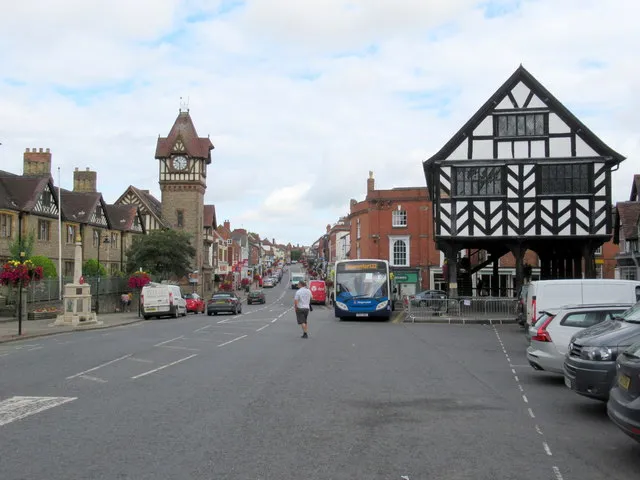
Photo: Roy Hughes , CC BY-SA 2.0, via Wikimedia Commons
There is a particular kind of weekend break that begins with a ticket and ends with a very tired train journey home. You book the event first, then find a room somewhere nearby, then spend the rest of the time trying to remember why you thought a hotel by a ring road would be fine. It is not fine. The hotel is not just where you sleep. It is where the weekend breathes.
For 2026, we would make the case for choosing the event and the boutique hotel together. Not in a fussy, over-planned way — just with a little more thought about the base. A calm room, a proper breakfast and a team who know the town can turn a good event into a proper weekend. Here are six types of UK event weekends worth booking around, plus the booking rhythms and questions that make the difference.
Why the hotel is part of the weekend
Event weekends tend to be intense. You are on your feet, in queues, in crowds, or sitting in a tent wondering whether you packed enough layers. A boutique hotel gives you a soft landing. It gives you somewhere to drop your bag before the first session, somewhere to eat something that is not fried, and somewhere to come back to when the main attraction is over. The best bases are close enough to walk or take a short bus ride, but far enough from the noise to feel like a retreat.
That is especially true in the off-season, when UK towns are at their most atmospheric. Autumn light, winter markets, spring book festivals and grey-sky comedy weekends all reward a hotel that feels warm and local rather than merely convenient.
1. A literary festival in a bookish town
A literary festival weekend is one of the easiest to build a break around. You get talks, readings, signings and that particular pleasure of overhearing strangers argue about a novel in a cafe queue. Towns such as Hay-on-Wye, Cheltenham and Edinburgh have long traditions of bookish weekends, and smaller festivals pop up in village halls and arts centres across the country.
Book the hotel as soon as the programme is announced. Literary weekends attract loyal audiences, and the best small hotels fill early. Ask whether the hotel can hold luggage before check-in, whether breakfast starts early enough for a morning session, and whether there is a quiet lounge for reading between events. Then build in a slow hour at a local bookshop or a riverside walk. The festival is the reason, but the town is the reward.
2. A food fair with a queue worth joining
Food and drink weekends are not just about eating. They are about browsing, tasting, chatting to producers and carrying home a bag of cheese you did not plan to buy. Ludlow, Abergavenny, Manchester and many smaller market towns host food fairs that draw serious weekend crowds.
This is a weekend where location matters. A hotel within walking distance of the market means you can drop off your purchases and go back for more. Ask about fridge space, early breakfast and whether the kitchen can recommend a restaurant that is not fully booked by festival-goers. Book direct if you can, and check cancellation terms — food weekends are popular, and some hotels put minimum stays in place.
3. A folk weekend where the venue is the pub
Some of the best music weekends in the UK are not in arenas. They are in pubs, village halls and arts centres, with fiddles in the corner and a crowd that knows the songs. Folk and roots festivals have a lovely habit of taking over small towns for a weekend, filling the streets with people carrying instrument cases and pints.
For this kind of break, choose a hotel that is close to the main venues but not on top of them. Ask whether there is live music in the bar, and whether the room is quiet at the back. Book early if the festival has a loyal following. And leave Sunday morning free for a slow breakfast and a walk before the drive or train home.
4. Heritage Open Days in September
Heritage Open Days are one of the UK's quietest good ideas: buildings that are usually closed throw open their doors, often for free. The weekend is a gift for curious travellers, especially in towns with old halls, theatres, gardens and civic buildings that are rarely seen.
Because the events are spread across a town or region, a central boutique hotel makes sense. Ask the team which buildings are within walking distance and which need a bus. Book a room with a bit of space, because you will come back with leaflets. And do not try to do too much. Two or three good visits, a nice lunch and a pot of tea will beat a frantic trail of open doors.
5. A Christmas craft fair with proper mince pies
Christmas markets and craft fairs are not just for December shopping. They are proper weekends away: twinkly streets, local makers, mulled things in paper cups and a chance to see a town at its most sociable. Smaller fairs in church halls and guildhalls are often better than the big city markets, with less queue and more conversation.
Book early for the last weekend before Christmas, and ask about parking, late check-in and whether the hotel has a fire to sit by. A boutique base lets you make the fair part of a slower weekend: arrive Friday, browse Saturday, walk on Sunday. And if you are buying gifts, ask whether the hotel can store them safely until you leave.
6. A comedy festival in the grey months
Comedy weekends are a brilliant off-season escape. February and March can feel long, and a few nights of stand-up in a friendly town are a good cure. Leicester Comedy Festival is a well-known example, but smaller cities and towns have their own laughter-filled weekends in arts centres and pubs.
The booking rhythm here is simple: check the venue locations before you book the room. A hotel in the middle of town is worth more than a cheaper one on the edge when you are walking back after a late show. Ask about quiet rooms, late breakfast and whether the bar stays open after the final act. Then plan a lazy morning and a local lunch before heading home.
The booking rhythm that works
For event weekends, the accommodation often fills before the programme is fully announced. Book a flexible room as soon as the dates are confirmed, then adjust later if needed. Read the cancellation policy properly. Check whether the hotel has a minimum stay, especially for popular weekends. And if you are booking direct, ask about early check-in or luggage storage — small things that make a big difference when you arrive with a bag and a timetable.
What to ask before you book
Ask how far the venue is on foot. Ask whether breakfast starts early enough for your first event. Ask whether the hotel is quiet at night, especially if you are not there for the music. Ask about parking, taxis and buses. And ask the team what they would do with a free afternoon in town. The answers will tell you whether the hotel is a genuine local host or just a place to sleep.
Build in slow local time
The event is the hook, but the weekend should not be all queueing. Leave a gap on Friday afternoon for a wander. Book Sunday lunch somewhere small. Take the long way back from the venue. A boutique hotel is a good base precisely because it encourages you to come and go slowly. You are not just attending something. You are staying somewhere.
In 2026, make the hotel part of the plan. The ticket gets you there; the base makes it a weekend.