The Unofficial Concierge: Six UK Stays Where the House Pet Runs the Welcome
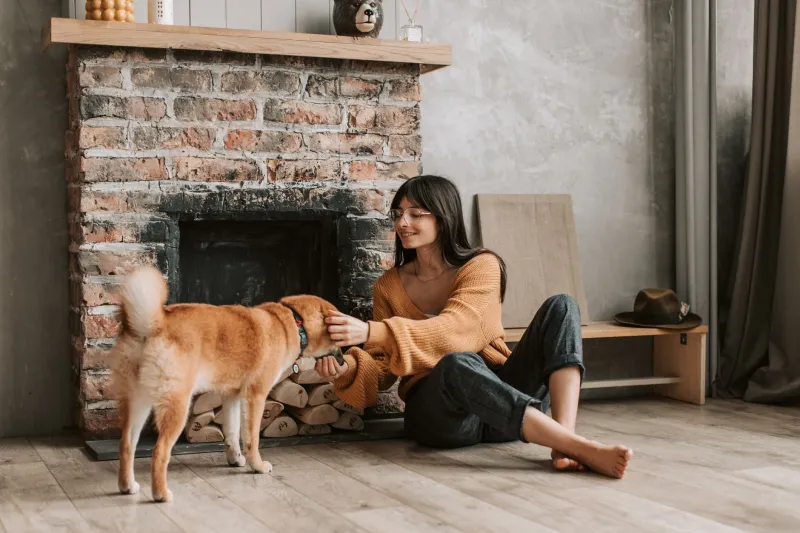
The welcome that wags
There is a difference between a hotel that accepts dogs and a hotel that has a dog. The first is a policy, usually printed in the small hours of the booking page. The second is a personality, and you feel it before you have taken off your coat. A resident animal is not a gimmick. It is a small, furry piece of hospitality strategy: a reason to linger in the hall, a conversation starter for solo travellers, a gentle signal that this is a place where things are allowed to be a bit informal.
In 2026, with boutique stays competing on thread counts and coffee machines, the house pet is a useful shortcut to a hotel's character. We have picked six UK stays where the animal is part of the staff rather than a mascot. Resident pets retire, nap and change shifts, so ring ahead before you build a weekend around a particular wagging tail.
The old Labrador who owns the hallway
At The Peacock at Rowsley, on the edge of the Peak District, the welcome is not confined to the reception desk. A resident dog tends to appear at the exact moment you are wrestling with a suitcase, as if assessing whether you are the sort of person who deserves the good walk. The inn has the bones of a proper country stay: stone, fire, a bar that feels older than the internet. But the dog gives it a different pace. You end up asking about the route to the river rather than the Wi-Fi code. You take the longer way back. You sit in the bar with muddy boots and no apology. In a walking weekend, that is worth more than a turndown service.
The cat with a preferred armchair
Not every resident animal is a greeter. Some are more like a quiet editor of the room. At a Marylebone townhouse stay, the cat on the reception desk has the air of someone who has seen better guests and is prepared to wait for the rest of us to catch up. Cats are useful in a city hotel. They slow the lobby down. They make a small lounge feel like a drawing room rather than a waiting area. The best ones have a favourite chair, and the staff know better than to move it. If you are in London for an exhibition or a theatre night, this is the sort of stay that makes the hour before dinner feel like part of the break rather than a gap to be filled.
The collie who times the tide
On the Pembrokeshire coast, a resident collie is less of a concierge and more of a tide table with fur. Coastal hotels have a rhythm that is easy to miss if you arrive by car and leave by car. The dog knows when the beach is at its best, when the harbour wall is too windy, and which lane leads to the pub without a hill. A good coastal stay uses that knowledge. You will hear the phrase the dog always goes this way, and it will be the most useful piece of local advice you get all weekend. Bring shoes you do not mind ruining. The reward is a walk that ends with salt on your face and a pint within reach.
The terrier who knows the short cut
In the Cotswolds, a resident terrier at The Lygon Arms in Broadway has the run of a building that has been welcoming travellers for centuries. The appeal is not that the hotel is dog-friendly in the modern, tick-box sense. It is that the dog makes the place feel inhabited. A hotel can be beautiful and still feel like a stage set. A terrier trotting through the bar on a Tuesday afternoon is proof of life. It also gives you an excuse to talk to strangers, which is one of the underrated pleasures of a weekend away. Ask staff where the dog would go for a short afternoon loop, and you will usually get a better answer than the official map.
The deerhound by the fire
Further north, at The Torridon in Wester Ross, the scale of the landscape makes a resident dog feel like a necessary piece of kit. This is not a place for rushing. The hotel has the sort of fire that makes you cancel plans you had not yet made, and a dog stretched out in front of it is a reminder that the best part of a Highland stay is often the bit where you do nothing at all. In off-season months, when the light is low and the roads are quiet, that permission to stop is the whole point. The dog does not care that you have a table booked. It cares that you have found the good sofa. Take the hint.
The cat on the reception desk
The last stay is a small seaside townhouse where the cat has the run of the hall and no interest in the sea view. This is the sort of place where breakfast runs long, the papers are shared, and nobody minds if you come down in the wrong shoes. The cat is not there to be photographed, though it will be. It is there because the owners decided that a hotel should feel like a home with a few more bedrooms. That is a harder thing to design than a lobby. You cannot order it from a supplier. You can only notice it when it happens, usually when a cat is asleep on the only chair you wanted.
What the house pet tells you
A resident animal is not a guarantee of a good hotel. Some places have a dog and no warmth; some have no dog and plenty of it. But when the two line up, the animal becomes a useful test of what kind of weekend you are in for. Does the hotel want you to hurry through the lobby? Does it want you to sit? Does it know the difference between a guest and a transaction? The house pet cannot answer all of that, but it is a decent place to start.
At Lemon Tree Hotel, we are taking notes. The best welcomes are the ones that feel unforced, whether they come with a wagging tail or a quiet hello from behind the desk. Book the stay, ask who is on duty, and leave a little room in the weekend for the animal's recommendation. It is usually better than the guidebook.