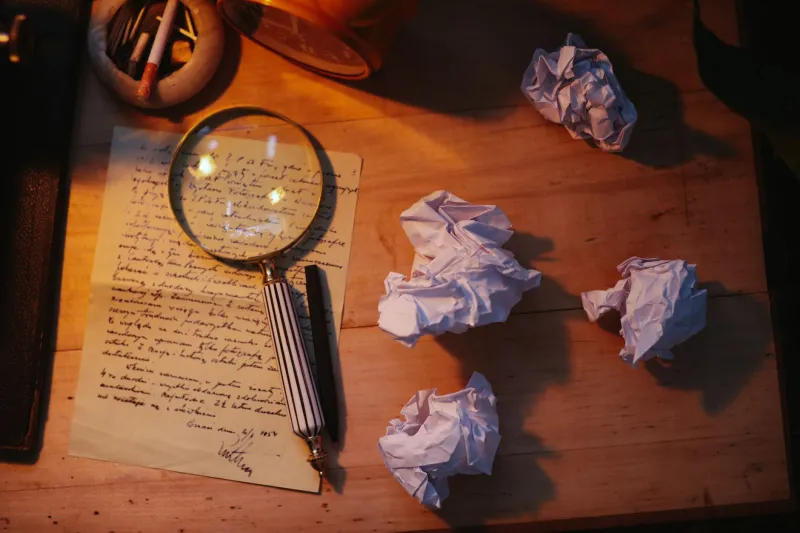
The Guestbook Has the Last Word: Six Handwritten Clues to a Better UK Weekend
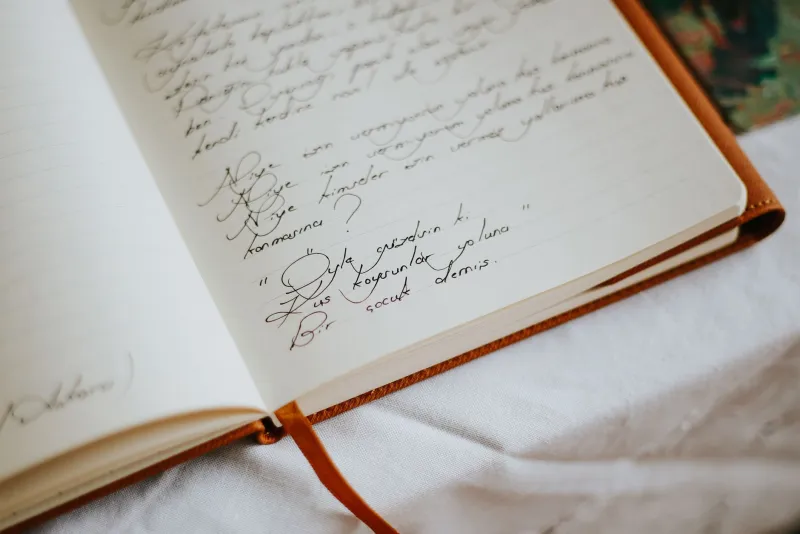
In the drawing room of a small hotel on the edge of a market town, there is a book that tells a different story to the one on the website. The website says: perfect base for exploring. The guestbook says: the bakery on the lane opens at seven, the pub quiz is Thursday, and the walk up the hill is shorter than it looks but steeper than you think. One page has a restaurant recommendation crossed out so heavily the pen has gone through the paper. Beside it, in different handwriting: closed in March. Try the deli instead.
That is the guestbook at its best. Not a visitors' book in the formal sense, but a living document of small corrections. In 2026, when most travel advice arrives through a screen, the handwritten page still has a particular power. It is slow, local and gloriously unpolished. It records not just whether someone enjoyed their stay, but what they did with the town once they stepped outside.
At Lemon Tree Hotel, we like a guestbook that looks used. A clean one is suspicious. A good one has dog-eared corners, a wine ring on the cover and at least three pieces of advice that contradict each other. Here is what six boutique stays around the UK have taught us about the pages between the pages.
A crossed-out name is a review with manners
The most useful guestbook entries are not the glowing ones. They are the edits. A restaurant name struck through, a shop marked as shut, a bus route amended in biro. In one seaside town, a guest had written a long, affectionate paragraph about a crab restaurant, then added a line underneath: book by six or forget it. In another, a recommendation for a vintage shop had been crossed out and replaced with a handwritten note pointing to a church hall sale on Saturdays.
This is local knowledge with a human filter. It is not the polished list of ten things to do that every hotel website carries. It is the friendlier version: try this, avoid that, and don't bother with the place that looks nice from the outside because the coffee is better two doors down. A crossed-out name is not a complaint. It is a kindness passed from one guest to the next.
The map in the back cover
Several guestbooks have a hand-drawn map tucked into the back. Not a proper map, with a compass and a scale, but a pencil sketch: the church, the bridge, the lane that looks private but isn't, the shortcut to the coast path. In a cathedral city, someone had drawn a tiny arrow to a bench behind the close and written: best spot for a flask. In a Borders town, the map was mostly a hill and a railway line, with the words train times on the fridge in the hall.
These sketches reveal something a website cannot: the shape of a stay. They show where guests actually went, not where they were told to go. They also show the sort of hotel that lets people leave a pencil map in the first place. A guestbook with a map in it is a guestbook from a place that trusts its visitors to be curious.
Complaints that arrive wearing a smile
Not every annotation is useful, but most are honest. The creaky floorboard becomes a joke about ghost footsteps. The shower that takes a minute to warm up becomes a note to give it time. The steep stairs become a warning delivered with affection: pack light and think of it as your daily exercise.
In one guestbook, a guest had written a long entry about how much they loved the room, then added a postscript: the kettle is a bit slow, but the view makes up for it. In another, someone had drawn a small sad face next to the weather and a much larger happy face next to the fire. This is what softens a complaint into something useful. It tells the next guest what to expect without souring the stay before it has begun.
Dogs, doodles and the fire
The margins are where the real atmosphere lives. There are sketches of dogs by the fire, cats on windowsills and, in one case, a very confident drawing of a breakfast plate. Children leave stick figures. Adults leave wine stains. Someone always writes the date and then, underneath, the name of the person they were travelling with, as if the guestbook were a witness.
These doodles say as much about a hotel as the furniture does. They suggest a room where people linger, where the pen is not hidden away, where nobody minds if you take a minute to leave a mark. That is not something you can manufacture with a nice lamp and a shelf of hardbacks. It comes from a place that feels relaxed enough to be scribbled in.
Six guestbooks, six small tells
Across six stays — a seaside town, a market town, a walking town, a cathedral city, a Borders town and a village inn — the pattern is the same. The guestbooks that get used are the ones that are left out, not locked in a drawer.
- The seaside guestbook had tide times in the margin and a bakery route drawn in biro.
- The market town book had two restaurant recommendations crossed out and a deli underlined twice.
- The walking town had a pencil map to a hill and a note about drying boots by the back door.
- The cathedral city book had evensong times and a quiet corner of the close marked with an asterisk.
- The Borders book had train times, a hill route and a warning about the wind.
- The village inn book had three dog doodles and a joke about the stairs.
None of this would make it onto a website. It is too specific, too messy and too dependent on the guest who happened to be there that week. But it is also exactly what makes a weekend feel local rather than researched.
What the margins teach a hotel
A guestbook is a small act of hospitality in reverse. The hotel provides the pen and the room; the guest provides the knowledge. At Lemon Tree Hotel, we think the best stays are the ones that invite that exchange. Leave the book open. Leave a pencil nearby. Don't worry if the entries are not tidy. The crossed-out names and tiny maps are not a flaw in the record. They are the record.
So next time you check out of a boutique hotel, take a second look at the guestbook. Read the edits before the compliments. Follow the pencil arrow. And if you find a better bakery than the one recommended on page four, cross it out gently and write your own note underneath. Someone will thank you for it.